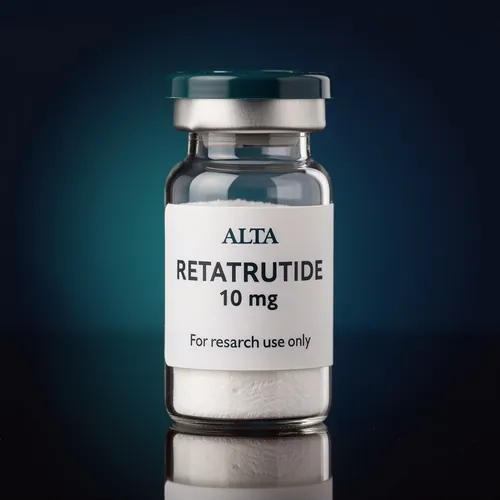
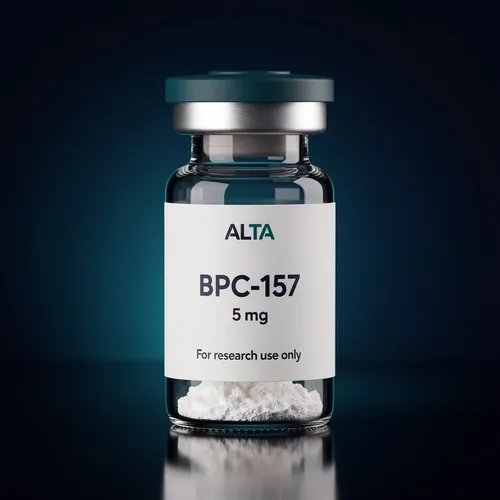
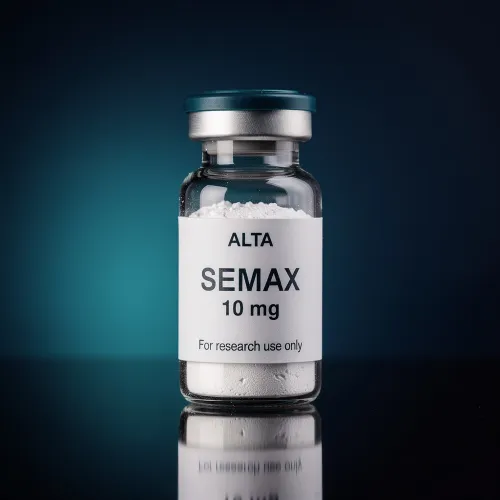
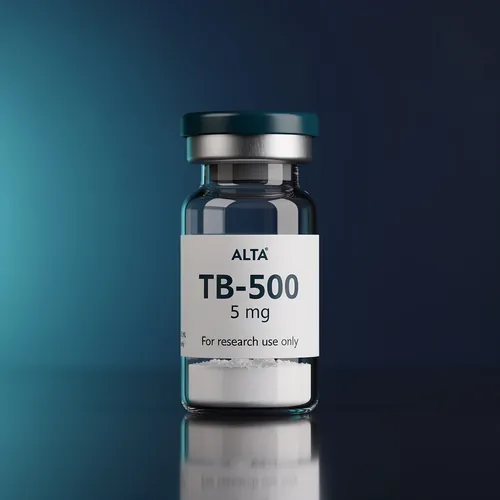
The short answer to "are peptides legal in the UK" is that possessing and buying the peptides we sell is legal, selling them as laboratory reagents is legal, and supplying or promoting them for human use is not. The longer answer involves three pieces of legislation, one regulator and a set of conditions that every reputable supplier of research peptides in the UK operates under. This article sets them out. It is general information, not legal advice; the position for any specific compound can change and a solicitor should be consulted before relying on it.
The Misuse of Drugs Act 1971
This is the law that makes a substance "controlled", with criminal penalties for possession and supply. It covers the familiar list: opioids, stimulants, cannabis, benzodiazepines, anabolic steroids (Class C) and, since 2012, a number of named peptide hormones and growth factors including human growth hormone, insulin-like growth factor and their releasing peptides such as GHRP-6, CJC-1295 and ipamorelin, which are Class C.
The peptides in our catalogue are not on that list. BPC-157, TB-500, GHK-Cu, MOTS-c, epitalon, DSIP, Semax, Selank and retatrutide are not controlled substances in the UK. Possessing them is not an offence. That is the first and most important legal fact, and it is why the trade in research peptides UK-wide exists in the open rather than underground. It is also why we do not stock tesamorelin or any growth hormone secretagogue without specific legal advice: the growth-hormone axis is where the controlled list starts.
The Human Medicines Regulations 2012
This is the legislation that actually governs what a supplier can do. Under the regulations it is an offence to sell, supply or advertise a medicinal product in the UK without a marketing authorisation. A substance becomes a "medicinal product" in one of two ways: by presentation, meaning it is described or marketed as treating or preventing a condition or as affecting physiology, or by function, meaning it is in fact administered to people for that purpose.
The consequence is that the same vial of peptide can be lawful or unlawful depending entirely on how it is supplied. Sold as a laboratory reagent, with no medicinal claims, for research, it is a chemical and no marketing authorisation is needed. Sold with claims about healing, weight loss, sleep, focus or anything else in a person, or with dosing instructions, or to a customer who has made clear they intend to use it on themselves, it is an unlicensed medicine and supplying it is a criminal offence for the supplier. "Research use only" is therefore not a disclaimer; it is the legal category the product is sold in, and it imposes real obligations on both parties.
The MHRA
The Medicines and Healthcare products Regulatory Agency enforces the Human Medicines Regulations. Its enforcement group has been active against online sellers of unlicensed medicines for years, and since 2023 has focused heavily on the GLP-1 class following the licensed launches of semaglutide and tirzepatide. Sellers who market retatrutide or compounded semaglutide "pens" for weight loss have had stock seized, sites taken down and, in several cases, prosecutions. The pattern in every action is the same: the seller was presenting the product for human use. That is the line the MHRA polices, and it is the line every page on this site is written to stay behind.
Other law that people ask about
The Psychoactive Substances Act 2016 covers substances that affect mental functioning by stimulating or depressing the central nervous system when consumed. Semax and Selank are nootropic peptides and the question of whether they are caught is sometimes raised; the Act contains an exemption for medicinal products and, more practically, the whole point of research-use supply is that consumption is excluded. We treat both as reagents and make no claims about their effects in people.
Anti-doping rules are not law but are binding on athletes. WADA's prohibited list includes BPC-157 (under S0, non-approved substances), TB-500 and thymosin beta-4 (S2), growth hormone secretagogues (S2) and GLP-1 agonists in certain contexts. Anyone subject to testing should treat the entire category as prohibited.
Import and customs: peptides that are not controlled can be imported for research, but shipments from outside the UK are subject to Border Force inspection and, where a product is presented as a medicine, seizure by the MHRA. This is one reason to buy UK-stocked research peptides from a UK supplier rather than ordering from overseas.
What a lawful supplier looks like
A supplier operating within the law will sell peptides as reagents with chemical specifications rather than benefits, publish certificates of analysis, require an 18-plus and research-use declaration, decline orders where the customer indicates human use, refuse to answer questions about dosing or administration, and avoid any imagery or language that presents the product for consumption. A supplier who sells "pens", publishes protocols, quotes prices per month, or shows before-and-after photographs is presenting a medicine without a licence, whatever the small print says.
What this means for you
If you are buying research peptides UK-wide for laboratory use, the position is straightforward: the compounds we stock are legal to buy and possess, and we sell them lawfully as reagents under our research use policy and terms of sale. What neither we nor any other supplier can lawfully do is help you use them on a person, and correspondence suggesting that intent results in the order being refused. That is not caution for its own sake; it is the condition on which the whole category exists.