Search for retatrutide in the UK and half the listings are pens. A retatrutide pen is a pre-filled injector, the format licensed GLP-1 medicines such as Mounjaro and Wegovy come in, loaded by the vendor with retatrutide solution. A retatrutide vial is the research format: freeze-dried powder in a sealed glass vial, reconstituted with bacteriostatic water in the laboratory. They contain the same 39-residue peptide, and that is where the similarity ends. This article sets out what each format is, how the two compare on stability, traceability, legal category and price, and why ALTA PEPTIDES supplies vials and not pens.
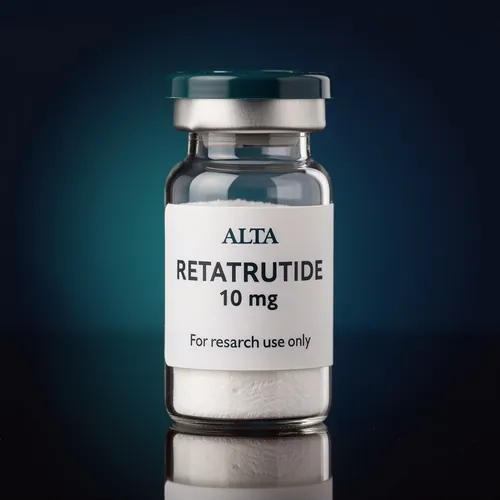
- A retatrutide vial is lyophilised (freeze-dried) powder, sealed under nitrogen, reconstituted in the laboratory before use.
- A retatrutide pen is a cartridge of solution already prepared, loaded into a metered injector device, sold ready to use.
- Solution degrades faster than powder; a sealed vial keeps for years cold, a filled pen for weeks.
- UK pen listings in September 2026 ran from about £125 for a 40 mg pen, against £139.99 for a tested 40 mg vial on this site (£3.50 per mg).
- A pre-filled injector device is a medicine presentation; a vial of reagent powder for research is not. ALTA PEPTIDES supplies vials only.
What a retatrutide pen is
A pen is a plastic injector body holding a glass cartridge of solution, with a dial that meters a set volume and a disposable needle screwed onto the end. Licensed medicines use the format because a pharmaceutical manufacturer can fill cartridges under sterile conditions, prove the solution is stable for its labelled shelf life, and hand the patient a device that removes any measuring. The retatrutide pens sold by UK vendors copy the format without the manufacturer behind it: the vendor buys retatrutide powder, reconstitutes it, fills cartridges and loads the pens, then ships a device that is already prepared for injection.
Two things follow. First, the vendor has decided the concentration and the diluent, and the buyer has no way to check either; the certificate, if there is one, covers the powder before it was dissolved, not what is in the cartridge. Second, a filled pen is a solution, and peptides in solution do not keep. Retatrutide carries a fatty-acid side chain that makes it more robust than most, but hydrolysis, oxidation and aggregation still proceed in water at rates that a sealed lyophilised vial avoids entirely.
What a retatrutide vial is
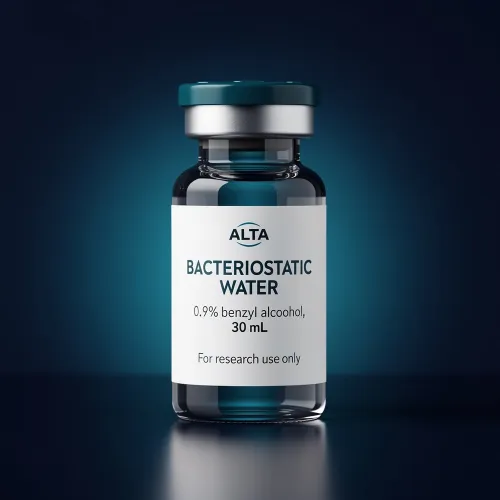
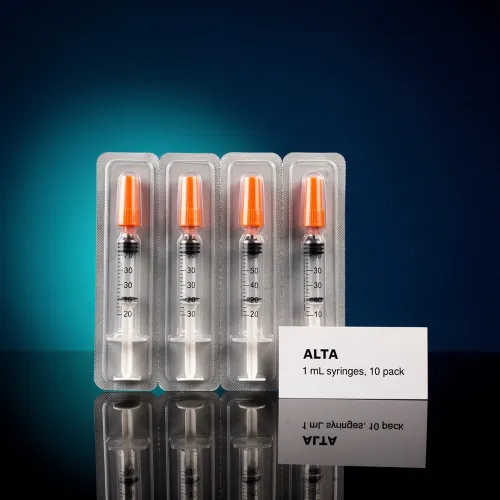
A vial contains the peptide as it left purification: lyophilised powder, typically with a small amount of mannitol or the trifluoroacetate counter-ion from synthesis, sealed under nitrogen with a crimped stopper. Dry, cold and dark, it is stable for years. The laboratory reconstitutes it with bacteriostatic water to whatever concentration the experiment needs, records the lot number against the certificate of analysis, and stores the solution refrigerated for the short period it is in use. Every variable is under the researcher's control and every step is documented, which is the whole point of buying a reagent rather than a finished product. Our reconstitution guide covers the technique and the calculator the arithmetic.
Stability: powder versus solution
Lyophilisation exists because water is what degrades peptides. Remove it and the main degradation routes, hydrolysis of the peptide bonds and deamidation of asparagine and glutamine residues, essentially stop; oxidation of methionine and tryptophan slows to a crawl in the absence of oxygen. Manufacturer stability data for lyophilised peptides typically supports two to three years at -20 °C, a year refrigerated, and weeks at room temperature for shipping, which is why vials travel by ordinary post. In solution the clock runs in days and weeks even refrigerated, and a pen that has been sitting in a vendor's stock, then in transit, then in a drawer, has an unknown fraction of its labelled content left. There is no way to tell from the outside.
Traceability
A certificate of analysis names a lot, a laboratory, a method and a result. For a vial, the lot number printed on the label is the lot that was tested, and the buyer can match one to the other, which is the basis of our certificates page. For a pen, the tested lot is the powder the vendor started from; the cartridge is a new preparation with its own risks of contamination, mis-measurement and dilution error, and it carries no test result of its own. Some pen vendors publish a certificate for the powder and describe the pen as tested, which is true only in the loosest sense.
Legal category
Retatrutide has no marketing authorisation anywhere. Supplied as a research reagent, a vial of powder sits outside the Human Medicines Regulations 2012 provided nothing about the sale suggests human use; see our explainer on UK law. A pre-filled injector device is a different proposition: it is a presentation whose only purpose is administration to a person, and a vendor who fills and sells one is, on the face of it, placing an unlicensed medicine on the market. That exposure is the vendor's, but it also tells a buyer something about the vendor's judgement. It is the reason the research supply chain, and this site, stops at the vial.
Price: the retatrutide 40 mg pen against the vial
On our September 2026 check, UK retatrutide pens were listed from about £125 for a nominal 40 mg pen, with cartridge-only options around £13 above the vial price at the vendors that sell both. Our 40 mg vial is £139.99, which is £3.50 per milligram of independently tested material. The honest comparison is per milligram of certified content, and on that measure the pen's apparent saving disappears as soon as the untested preparation step and the unknown degradation are priced in. Our retatrutide price comparison lists every UK vendor we could verify, vial by vial, and is updated monthly.
What to check before buying either
Whichever format a vendor sells, the same questions apply: is there a certificate from a named laboratory, does the lot on the certificate match the lot on the product, does the vendor hold UK stock or drop-ship from abroad, is it a registered company, and does the listing avoid describing use in people. A vendor that fails the last test is telling you it does not understand what it is selling. For pens, add one more: ask what is in the cartridge besides retatrutide and when it was filled. If the answer is not immediate and specific, the product is not traceable.
Why ALTA PEPTIDES supplies vials only
We sell retatrutide as a sealed 40 mg lyophilised vial, tested per lot by an independent UK laboratory with the certificate published before the vial ships, held in UK stock and dispatched the same working day before 1pm. That is the research format, it is the traceable format, and it is the only format we can stand behind. Everything on this site is supplied under our research use policy, for laboratory research only.
Questions people ask
Is a retatrutide pen the same as a retatrutide vial?
No. The compound is the same but the pen is a finished solution in a delivery device, prepared by the vendor, while the vial is dry powder that a laboratory reconstitutes. Stability, traceability and legal category all differ.
Why is a 40 mg retatrutide pen sometimes cheaper than a 40 mg vial?
Pens are often listed without independent testing and with the preparation done in bulk, and some list a nominal amount that has not been verified. A tested vial carries the cost of the certificate. Compare per milligram of certified material, not per unit.
Can a research laboratory use a pen?
A pen fixes the concentration, the diluent and the delivery volume, which removes the variables a study usually needs to control. Laboratories reconstitute from powder for that reason.
Does ALTA PEPTIDES sell retatrutide pens?
No. We supply retatrutide as a sealed 40 mg lyophilised vial with a published certificate of analysis, for laboratory research only.