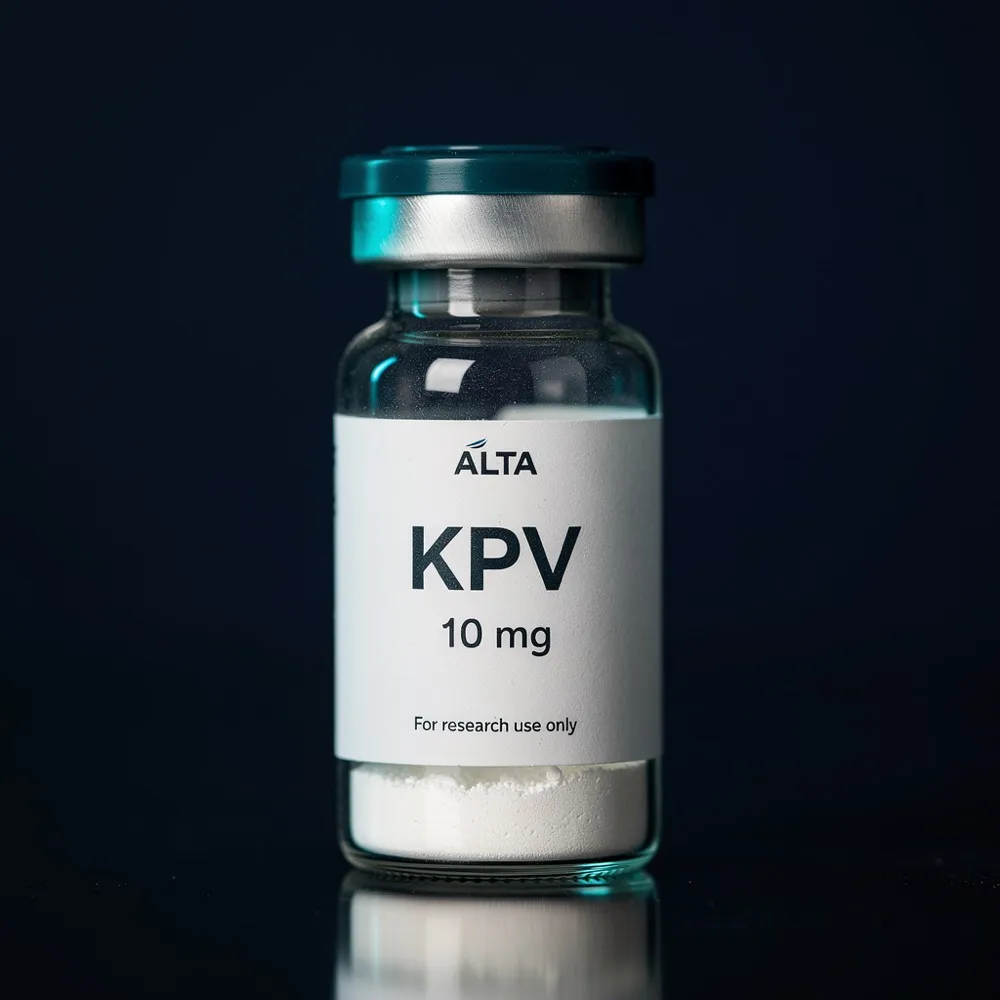
KPV peptide (Lys-Pro-Val, 10 mg vials)
Lys-Pro-Val, C-terminal tripeptide of alpha-MSH
The three C-terminal residues of alpha-melanocyte-stimulating hormone, studied in cell and rodent models of inflammation, colitis and skin.
What is KPV peptide?
KPV is the tripeptide lysine-proline-valine, the three C-terminal amino acids of alpha-melanocyte-stimulating hormone (alpha-MSH), a 13-residue hormone cut from the pro-opiomelanocortin precursor. Alpha-MSH has two well-characterised activities, pigmentation through the melanocortin-1 receptor and a broad anti-inflammatory effect, and mapping studies in the 1990s showed that the anti-inflammatory activity survives in the KPV fragment while the pigmentation activity does not. That separation is why the KPV peptide became a research tool in its own right. Molecular formula C16H30N4O4, mass 342.4 g/mol. We supply it as a white lyophilised powder in 10 mg sealed vials at 99% or better HPLC purity, with identity confirmed by mass spectrometry for each lot, strictly for laboratory research.
What the research covers
In cell culture, KPV reduces the production of inflammatory cytokines including interleukin-6, interleukin-8 and TNF-alpha by inhibiting NF-kB activation, apparently through a mechanism that does not require the melanocortin receptors, since it persists in cells that lack them. In rodent models of colitis, both injected and orally delivered KPV reduced inflammation scores and tissue damage, and a widely cited 2012 study used KPV loaded into nanoparticles to target the inflamed colon in mice. Dermal models report reduced inflammation in contact dermatitis, and direct antimicrobial activity against Staphylococcus aureus and Candida albicans has been described. There are no controlled human trials of KPV, and it has no licensed use anywhere.
KPV, KLOW and the peptide stacks
KPV is the fourth component of KLOW (the klow peptide combination), the four-peptide combination of GHK-Cu, BPC-157, TB-500 and KPV that extends the GLOW trio with an anti-inflammatory arm. We do not sell a co-lyophilised KLOW vial; the stack builder has a KLOW preset that adds all four as separate lot-tested vials at the top discount tier, so each compound keeps its own certificate and the ratio can be varied. KPV peptides from different lots should not be mixed in one vial; keep each on its own certificate. KPV is also commonly run alongside BPC-157 in gut-model designs, where one compound addresses inflammatory signalling and the other repair signalling. Our GLOW vs KLOW article covers the combinations in detail.
Buying KPV peptide in the UK
KPV peptide UK stock is thin: at the time of writing only a couple of vendors list it, most at 10 mg. Ours is held in the UK, dispatched the same day before 1pm Monday to Friday, and tested per lot by an independent UK laboratory. KPV is not a controlled substance and has no marketing authorisation; it is legal to buy and possess as a research reagent and, like everything on this site, is supplied under our research use policy and not for human or veterinary use.
Sizes and pricing
- KPV 10mg: £29.99 (£3.00/mg). SKU KPV-10.
Prices include VAT. Shipping is £4.95 by Royal Mail Tracked 24, free on orders over £100. Ships from UK stock with the lot certificate for the vial you receive.
Quality and testing
Each lot of KPV is sent to an independent UK laboratory before release for identity by mass spectrometry, purity by HPLC, residual solvents and bacterial endotoxin. The lot number on the vial label matches the certificate on our certificates page, and no lot is released for sale until the certificate is in hand. Specification: ≥ 99% (HPLC), supplied as lyophilised powder, 2 ml glass vial, sealed, 10 mg per vial.
Reconstitution and handling
KPV arrives as a lyophilised cake under an aluminium crimp seal. Let the vial reach room temperature before opening so that condensation does not form on the powder. Swab the stopper with an alcohol swab, draw the chosen volume of bacteriostatic water with a sterile syringe, and add it slowly down the inside wall of the vial rather than onto the powder. Swirl gently until clear; never shake, which can denature the peptide. Label the vial with the date and concentration. The peptide calculator converts vial amount and diluent volume into concentration, millilitres and U-100 syringe units for any target amount. Sealed vial: 2 to 8 °C, protected from light. Reconstituted: 2 to 8 °C, use within 4 weeks.
Lot traceability
Every KPV vial carries a printed lot number and expiry. The same lot number appears on the certificate of analysis for that batch, which names the testing laboratory and the report number so it can be verified directly. If the number on your vial does not match a certificate on our site, contact support before using it. Certificates are kept online for the life of the product plus two years.
Related products
BPC-157, TB-500, Wolverine Stack, and everything else in Recovery & Repair or the full range. Reconstitution supplies: bacteriostatic water, insulin syringes and alcohol swabs.
Certificate of analysisHandling and storage
Sealed vial: 2 to 8 °C, protected from light. Reconstituted: 2 to 8 °C, use within 4 weeks. Keep sealed until use. Allow the vial to reach room temperature before opening to avoid condensation on the powder. Reconstitute with bacteriostatic water added slowly down the wall of the vial; do not shake. Our calculator covers the arithmetic.
The tripeptide Lys-Pro-Val, the C-terminal fragment of alpha-MSH, studied for anti-inflammatory activity in cell and rodent models.
No. It is a three-residue fragment that keeps the parent hormone's anti-inflammatory activity in models but not its pigmentation effect.
GHK-Cu, BPC-157, TB-500 and KPV. We supply them as four separate vials through the stack builder rather than one blended vial.
Sealed vials at 2 to 8 °C protected from light. Reconstituted at 2 to 8 °C, used within four weeks.
Yes; identity by mass spectrometry and purity by HPLC, published on the certificates page.
More in Recovery & Repair
 Best seller
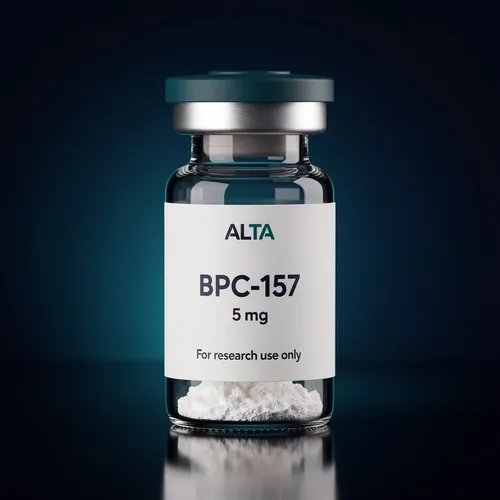
BPC-157
Body Protection Compound 157
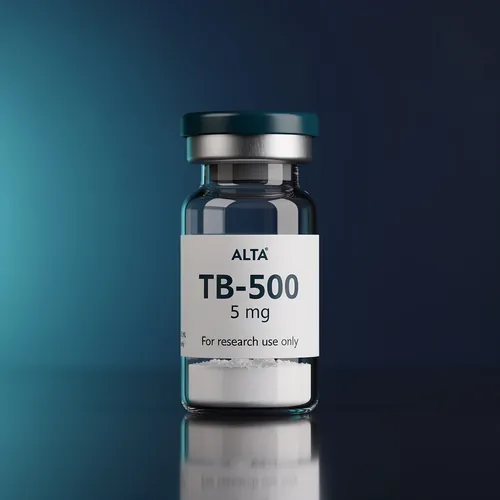
TB-500
Thymosin Beta-4 fragment (Ac-LKKTETQ)
 Stack
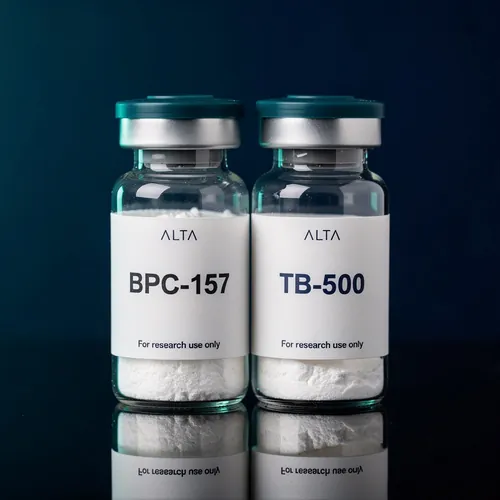
StackWolverine Stack
BPC-157 5 mg + TB-500 5 mg, two vials