Are peptides steroids? No. They are not even close in chemistry: a peptide is a short chain of amino acids, and a steroid is a fat-derived molecule built on four fused carbon rings. The two get lumped together because both appear in gym forums and both are sold by some of the same vendors, and SARMs, a third and again unrelated class, get thrown into the same bucket. This article separates the three on chemistry, on UK law and on anti-doping status. It describes what the molecules are; it is not guidance on using any of them.
- Peptides are chains of amino acids joined by peptide bonds. Steroids are lipids built on a four-ring cholesterol backbone. SARMs are synthetic small molecules that are neither.
- Anabolic steroids are Class C controlled drugs in the UK; possession for personal use is not an offence, supply is. Most peptides are not controlled; the growth-hormone secretagogue peptides are the exception.
- SARMs are not controlled drugs in the UK but are unlicensed medicines; supply for human use is an offence.
- WADA prohibits anabolic steroids and SARMs by name, and lists BPC-157 and most research peptides under S0, non-approved substances.
- None of the products on this site is a steroid or a SARM, and none is supplied for human use.
Three different kinds of molecule
Peptides are chains of amino acids joined by peptide bonds, typically between two and fifty residues long. The body makes thousands of them as signalling molecules: insulin, oxytocin, GLP-1 and the growth-hormone-releasing hormones are all peptides. Synthetic peptides are built one residue at a time on a resin, purified and freeze-dried. They are water-soluble, fragile, broken down by digestive enzymes, and act by binding a receptor or a partner protein. Our explainer on what peptides are goes into the chemistry.
Anabolic steroids are lipids. They share the four-ring cyclopentanoperhydrophenanthrene skeleton of cholesterol, from which the body makes testosterone, oestradiol and cortisol. Synthetic anabolic steroids are modified testosterone: nandrolone, stanozolol, oxandrolone and the rest. They are fat-soluble, survive the gut in the right formulation, and act by entering the cell and binding the androgen receptor, which then alters gene transcription.
SARMs, selective androgen receptor modulators, are synthetic small molecules such as ostarine, ligandrol and andarine that bind the same androgen receptor as steroids but are not steroids chemically; they were designed to be tissue-selective. They are neither peptides nor lipids and were developed, and largely abandoned, as drug candidates.
Why the confusion exists
Three reasons. Some peptides act on the growth-hormone axis, and growth hormone is regulated alongside steroids in sport, so the words travel together. Some vendors sell all three and label the lot as research chemicals. And the products look alike on a shelf: vials, powders, injectables. None of that changes the chemistry. A peptide cannot bind the androgen receptor, cannot be aromatised to oestrogen, and does not carry any of the pharmacology that defines an anabolic steroid. Equally, a steroid is not broken down by peptidases and does not need reconstitution.
UK law: which are controlled
Anabolic steroids are Class C controlled drugs under the Misuse of Drugs Act 1971. Possession for personal use is not an offence; possession with intent to supply, and supply, are, with a maximum of fourteen years.
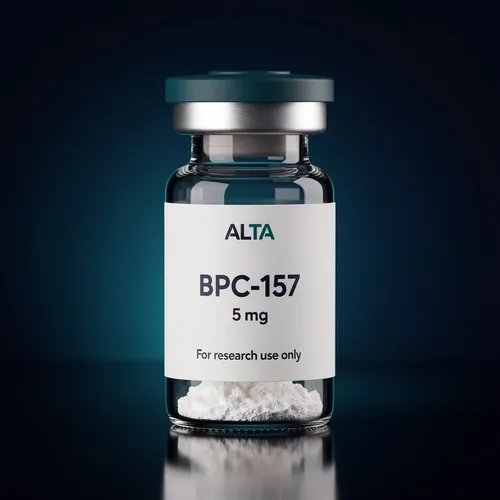
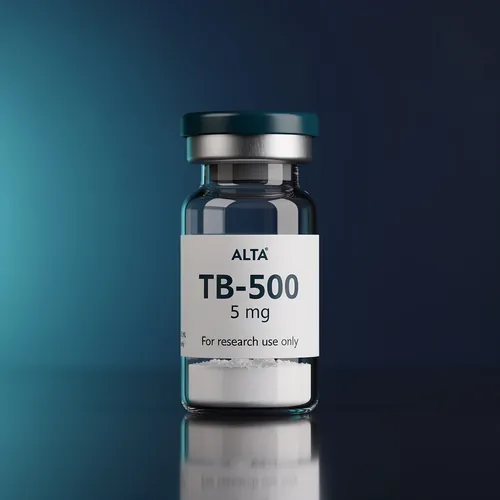
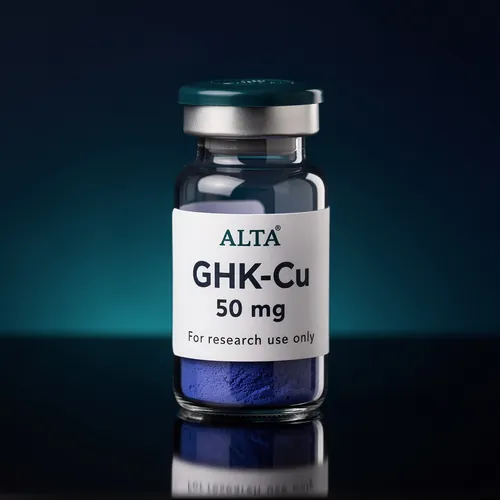
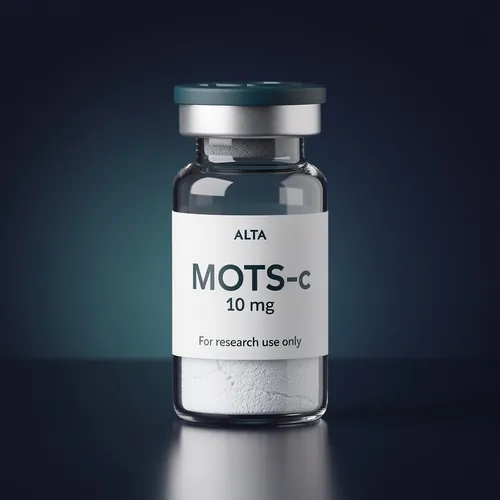
Peptides are, with one group of exceptions, not controlled at all. The exceptions are the growth-hormone secretagogues: the GHRPs, hexarelin, ipamorelin, CJC-1295, sermorelin, tesamorelin in some readings, and IGF-1 analogues, which were added to Class C alongside growth hormone itself. BPC-157, TB-500, GHK-Cu, MOTS-c, epitalon, DSIP, semax, selank, KPV and the GLP-1 class are not controlled. They are, however, unlicensed, so supplying any of them for human use is an offence under the Human Medicines Regulations 2012; that is why they are sold as research reagents and why nothing on this site describes use in people. Our UK law guide sets this out in full.
SARMs are not controlled drugs in the UK. They are unlicensed medicines, so the same supply rule applies: sale for human use is an offence, and the MHRA has taken action against SARM vendors on that basis. They are also, unlike most peptides, on the radar of Border Force as products routinely mislabelled.
Anti-doping: what WADA says
The World Anti-Doping Agency prohibits anabolic steroids under S1 and SARMs under the same section, by name. Growth hormone, its releasing peptides and IGF-1 are prohibited under S2. Most research peptides fall under S0, non-approved substances, which prohibits any pharmacological substance without a current approval for human use; BPC-157 was named explicitly in 2022. The practical answer to "are peptides natty" is therefore no for any tested athlete: a peptide need not be a steroid to be prohibited, and almost all of them are. Our product pages note the WADA status of each compound.
Testing and detection
Steroids are detected in urine by mass spectrometry against known metabolites, with detection windows from days to months depending on the ester. SARMs are detected the same way and have been the fastest-growing category of positives in recent years. Peptides are harder: they are short-lived in the body, present at low concentrations, and require targeted methods, which is why anti-doping laboratories have invested in peptide-specific assays and why a handful of research peptides now have validated detection methods. None of this bears on a laboratory buying a reagent; it bears on the question people are usually asking.
What this means for a buyer
A vendor that lists peptides, steroids and SARMs on the same page is selling in three different legal categories, one of them a controlled-drug category, and is unlikely to be handling any of them properly. ALTA PEPTIDES sells peptides and the reagents used with them, nothing else, under a research use policy that we enforce. Every compound we supply is a chain of amino acids in a sealed vial with a published certificate, and none of them is a steroid, a SARM, or a medicine.
Questions people ask
Are peptides steroids?
No. A peptide is a chain of amino acids; a steroid is a lipid with a four-ring carbon skeleton derived from cholesterol. They are made differently, act differently and are regulated differently.
Are peptides illegal in the UK?
Most are not controlled substances. A small group of growth-hormone secretagogue peptides is Class C. Any peptide sold for human use without a licence is an unlicensed medicine, which is the vendor's offence, not the buyer's.
Are peptides the same as SARMs?
No. SARMs (selective androgen receptor modulators) are small synthetic molecules that act on the androgen receptor. Peptides do not act on the androgen receptor and are a different chemical class entirely.
Are peptides natty?
That is a sporting question, not a chemical one. WADA lists most research peptides as prohibited non-approved substances, so a tested athlete using any of them would fail the natural standard regardless of the chemistry.